Showing posts with label facts. Show all posts

10 TV detectives and their iconic motors

Morse - Jaguar Mk II


Supposedly the most recognizable Jag Mk II in the world, by the time it was retired Morse's Jag had over 79,000 miles on the clock. John Thaw, the actor who played the sullen inspector, once described the car as being 'a beggar to drive'.

Knight Rider - Pontiac Firebird


KITT was a customized Pointac Trans Am with the hefty price tag of $100,000 designed by Michael Scheffe of Back To The Future fame. William Daniels provided the voice of KITT but chose to remain uncredited.

More after the jump...

Is there such a thing as normal oil consumption?

Firstly it should be mentioned is that if you find your oil levels are depleting then it is either down to oil consumption or an oil leak.


Oil consumption is the 'burning off' of oil in the engine and is common in older vehicles or ones which have been subject to high mileage. Commonly this is caused by worn valve stems and seals, and worn piston rings which allows the oil to slip into the combustion chamber where it burns off. If this is happening you may see wisps of blue-ish coloured smoke coming from the exhaust. Oil consumption is almost certain to happen as the vehicle ages. You can maybe even expect to see some consumption occur if your engine requires an oil with particularly low viscosity, 0W/20 for example.

More after the jump...

Jargon Buster: Translating You Gear Oil Bottle

Gear oil isn't necessarily something that the everyday motorist is in the know about and when you take a bottle of it off the shelf you are confronted with jargon which, unless you are up on the terms, will probably mean very little to you. So let's break it down term by term and make some sense of it all.

Gear Oil Type
One of the first things you should notice on a bottle of Granville Gear Oil is this piece of information explaining which type of gear train the oil is suitable for:


More after the jump...

What's the Difference Between Gear Oil And Transmission Fluid?

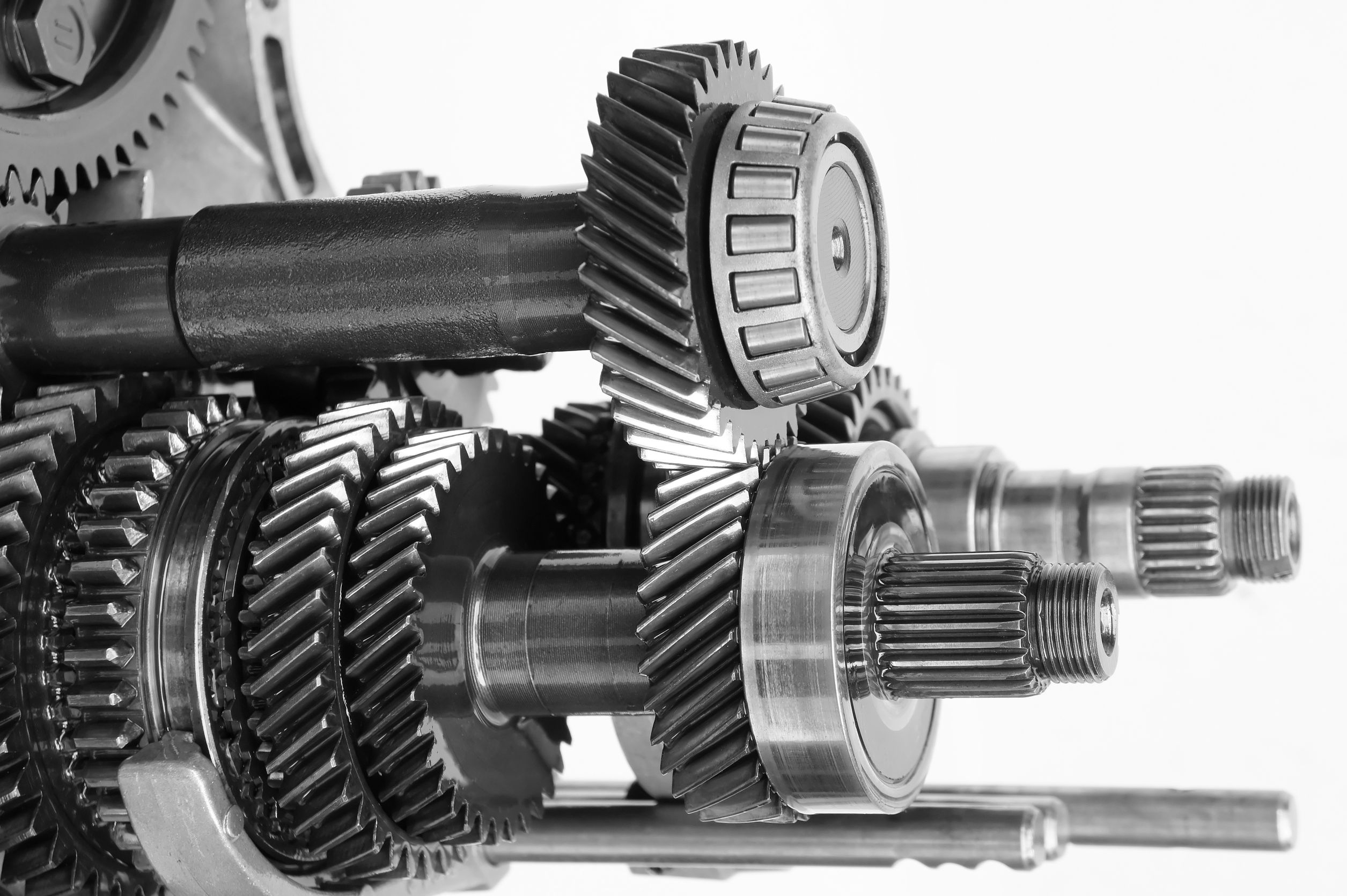
The most obvious answer to this question is that gear oil is generally intended for use in manual gear boxes and transmission fluid is for automatic transmissions. However, as is always the case with automotive lubricants, there are exceptions to this rule. In order to fully understand what the differences are between the fluids, we first have to take a look at the key differences between gearboxes and transmissions.

Both a gearbox and a transmission essentially do the same job in that they allow change of gears to control the speed, force and direction of travel, but they achieve this in different ways and so require different support fluids in order to operate properly.

Manual Gearbox

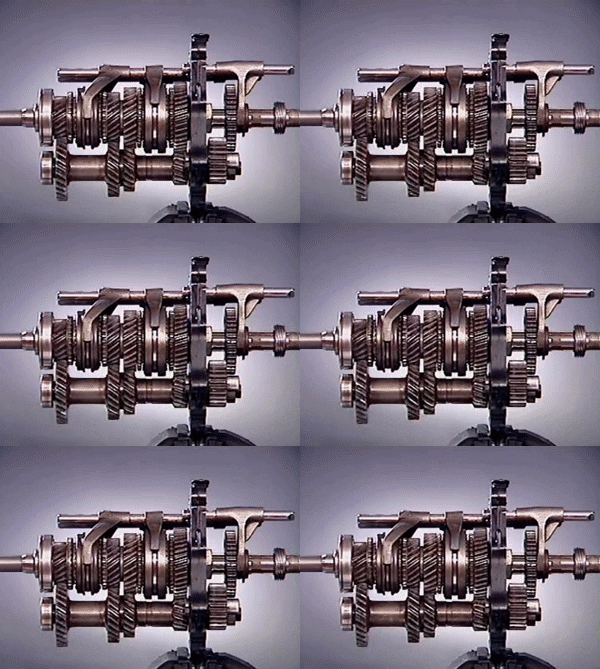
Manual gears operate based on a system of two shafts with gears which mesh together after user input via the clutch and the gear stick.  This means that the manual gearbox creates a lot of heat, a lot of force and a lot of friction as the two moving objects come together...


More after the jump...

Motor Oil 101: the importance of making the right choice

Oil is the bread and butter of what we do at Granville. We love the stuff and we love making sure that when you pick up your oil off the shelf you know you are making the right choice for your vehicle. And you know we go on and on about why its important for you to make sure you have the right oil for the job but please, humor me once more as I take you through everything you need to know about engine oil.


Why do you need oil in your engine?

Essentially, oil is in your engine to do three things:

     1. It lubricates the moving parts of your engine


When you consider the speed and frequency that the metal parts of your engine move at, it's easy to see why they might need a little help to keep them going. Engine oil coats these components even at high temperatures ensuring smooth movement whilst protecting them from friction damage.

More after the jump...

Is commercial screenwash better than water and home-brewed alternatives?

The short answer? Yes. Absolutely. It can be tempting to settle for plain water in your windscreen washer system or to attempt to make your own with household detergent or alcohol but whilst you will make cost savings in the short term and its effects are kinder to the environment, the risks involved to your vehicle in the long term just aren't worth the short term savings. Here are the top reasons you should be sticking the screenwash in your system:

src: imgur.com

Cleaning Power

When it comes to getting rid of traffic film, grease and insect residue, screenwash has plain water beaten hands down. The alcohol and detergent in screenwash cuts through dirt quickly and effectively, getting rid of visibility obstructions which plain water could end up smearing across the glass. Home-brews with alcohol or household detergent, washing up liquid for example, would help to remove the dirt but depending on the substance used, it could leave residue behind on the glass or cause damage to rubber and paintwork.

More after the jump...

Classic Car of the Week: Lancia Appia (1953)

My pick of the week is the 1953 Lancia Appia.


The Appia debuted at the Turin Motor Show in 1953 along side the Alfa Romero B.A.T. 5 concept. Intended as Lancia's entry level option marketed opposite the luxury Aurelia model, the Appia sought to emulate luxury feeling of it's sister whilst replacing and substituting materials to save on manufacturing costs.

More after the jump...

Classic Car of the Week: Mercedes-Benz 300 SL (1954)

My pick of the week is the 1954 Mercedes-Benz 300SL.

src: barret-jackson.com
The first incarnation of the Mercedes-Benz 300 SL was the W194 issued by Mercedes-Benz for the racing season of 1952. It saw wins at Le Mans, NΓΌrburgring and the Carrera Panamericana thanks mostly to its design rather than what was under the hood as the original model only saw up to 175hp on average. It was its weight and aerodynamics which ultimately made the model competitive.

More after the jump...

How healthy is your transmission fluid?

Ask the average motorist and it’s likely they will know how and where to check their oil and coolant level but ask about transmission fluid and they might not be so savvy.

src: automobilespoint.com
It’s not always immediately obvious how to check the health of your transmission fluid and indeed in recent years manufacturers have made it increasingly difficult for the end user to interact with the transmission at all unless you have the correct tools to get at the undercarriage of the vehicle. Should this be the case then we highly recommend that you allow your professional mechanic to perform any maintenance checks on your transmission fluid as you could risk voiding your warranty. If, however, you have a vehicle equipped with a dipstick under the bonnet for checking the transmission fluid then here are some things to look out for which may signal it’s time to book in for a fluid change or top-up.


More after the jump...

CLASSIC CAR OF THE WEEK: Mercury Cougar (1967)

This week's pick is the 1967 Mercury Cougar.

src: boldride.com
Mercury's first pony car became it's second longest produced nameplate in the range. The Cougar was modeled after the Ford Mustang with the emphasis being placed on luxury over performance. The Cougar shared many components with it's twin initially, with the key difference being it was an extra 3 inches longer than the Mustang and the 'electric shaver' style grille.

More after the jump...

Classic Car of the Week: Chevrolet Impala (1958)

My pick this week is the Chevrolet Impala.


The Chevrolet Impala evolved from the Bel Air range and was the first hardtop convertible of the series. Styled for the time, the Impala pandered to the fashion for longer, lower and wider automobiles. Original models were in a similar style to the Bel Air models but took on so called 'Sculpuramic styling' which defined crisper lines and sculptured rear fenders. Dual headlamps were added as well as three - yes three - tail lights.

More after the jump...

Product Feature: Nova Car Care Extending Car Wash Brushes

It's that time again folks as Granville welcome a new product to their exclusive Nova Car Care range. The Extending Car Wash Brush is designed to make washing high-sided vehicles a doddle with a reach extending up to 1.65m on the standard model and 1.70m on the deluxe model but, of course, it is suitable for use on any vehicle and produces the outstanding cleaning results you have come to expect from the Nova Car Care range.


The new look brushes can be connected securely to most hose pipes and the built-in adjustable flow control gives you complete control over your vehicle's wash routine. The brush heads are tough on dirt whilst being kind to your paintwork.

More after the jump...

Classic Car of the Week: Triumph Spitfire (1962)

My pick of the week is the Triumph Spitfire.

src: classicperformancecar.com

It's the entry level sports car that almost never was. When Triumph first penned the Spitfire the financial outlook did not look good and they were unable to begin production. It wasn't until the Leyland buyout that it became a viable project again, hitting the market in 1962.

More after the jump...

Classic Car of the Week: Lincoln Zephyr (1936)

My pick of the week is the 1936 Lincoln Zephyr.


This little stunner first rolled off production lines in 1936 and when it did, design wise it was well ahead of its time featuring an aerodynamic shape made it one of the first successful streamlined automobiles available on the market. Taking inspiration from the 'monocoque' structure, the aptly named Zephyr was surprisingly light for its size which gave it that extra edge when it came to areodynamism.

More after the jump...

Classic Car of the Week: Plymouth Road Runner (1968)

My pick of the week is the 1968 Plymouth Road Runner.

src: carlustblog.com
'Beep, Beep!' as a well known speedster would say, and boy did Plymouth pay through the nose for the rights to imitate him, something to the tune of $50,000 dollars to use the name, image and his trademark 'Beep' which, naturally, was used as the horn sound. The Road Runner was first produced in 1968 as part of Plymouth's mid-size range, with the Road Runner taking up position as the performance model.

More after the jump...

Classic Car of the Week: Pontiac Firebird (1967)

My pick of the week is the Pontiac Firebird.

src: carbuffs.com
The Pontiac Firebird represents one of GM's first forays into the emerging pony car market when the original intention to make a more commercially viable version of the Pontiac Banshee concept would have left them in direct competition with their own Chevrolet brand. That being said. when it first rolled off production lines in 1967, a lot of the Firebird was composed of parts which paid homage to the Camero but thankfully there was enough of the Pontiac about it to carry a unique feeling to the car, particularly under the hood.

More after the jump...

Classic Car of the Week: Nash Metropolitan (1953)

My pick of the week is the Nash Metropolitan.


The Nash Metropolitan stands out from its contemporaries for the simple reason that as they worked to build longer and wider models, Nash took the route of marketing a commuter's car. Something more compact and practical for the everyday 'about town' trips. In fact the Metropolitan was soon dubbed the 'World's Smallest Smaller Car'

More after the jump...

Classic Car of the Week: DeSoto Hardtop (1961)

My pick of the week is the 1961 DeSoto Hardtop.

src: blog.hemmings.com
The '61 Hardtop represented the end of an era for the DeSoto range. The range was shrunk down to the two options of a 2-door and a 4-door hardtop of a similar design to the 1960 Fireflite with the exception of the two tier grille design and slanted double headlights. The decision to discontinue production came at the end of November, followed by a scramble as dealers tried to sell off what remained of their stock.

More after the jump...
Classic Car of the Week: Cadillac Eldorado (1959)

My pick of the week is the 1959 Cadillac Eldorado.

src: pinterest.com
First rolling off production lines in 1953, the Cadillac Eldorado was intended as a limited production concept car and a sub-series of the Cadillac Series 62 coming to market at a whopping $7750.

More after the jump...

8 Autumn Car Care Fixes You Need To Know

October's marching on. Unbelievable isn't it? Suddenly the mornings are characterized by either a commute through thick fog or dazzling sun on wet roads, the leaves seem to have leapt off the trees and are single-mindedly set on blanketing the bonnets and roofs of our motors, and is it just me that's had to have the heating on first thing when starting the car in the morning?

src: giphy.com

As with all the changes in the seasons, they affect our cars in different ways and some steps need to be taken to prepare, protect and remedy against the new conditions you will be faced with as we plod on towards winter. So here's my top tips for making sure you and your motor are Autumn ready.

More after the Jump...