Showing posts with label engineer. Show all posts

What's the Difference Between Gear Oil And Transmission Fluid?

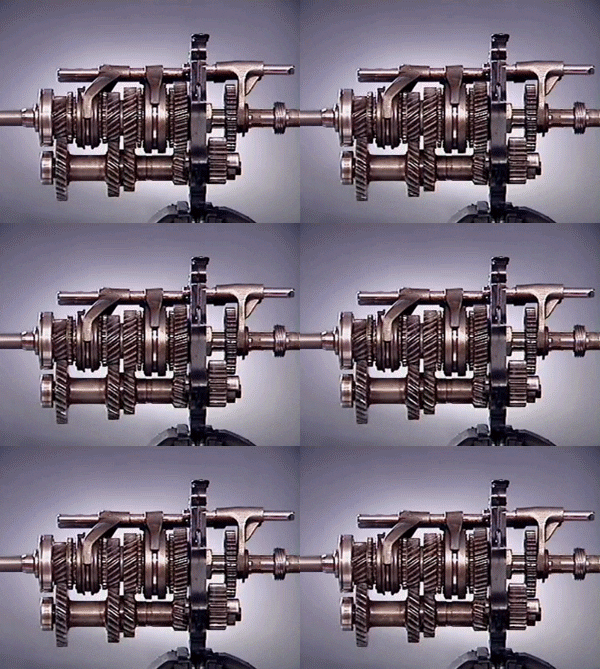
The most obvious answer to this question is that gear oil is generally intended for use in manual gear boxes and transmission fluid is for automatic transmissions. However, as is always the case with automotive lubricants, there are exceptions to this rule. In order to fully understand what the differences are between the fluids, we first have to take a look at the key differences between gearboxes and transmissions.

Both a gearbox and a transmission essentially do the same job in that they allow change of gears to control the speed, force and direction of travel, but they achieve this in different ways and so require different support fluids in order to operate properly.

Manual Gearbox

Manual gears operate based on a system of two shafts with gears which mesh together after user input via the clutch and the gear stick.  This means that the manual gearbox creates a lot of heat, a lot of force and a lot of friction as the two moving objects come together...


More after the jump...
How healthy is your transmission fluid?

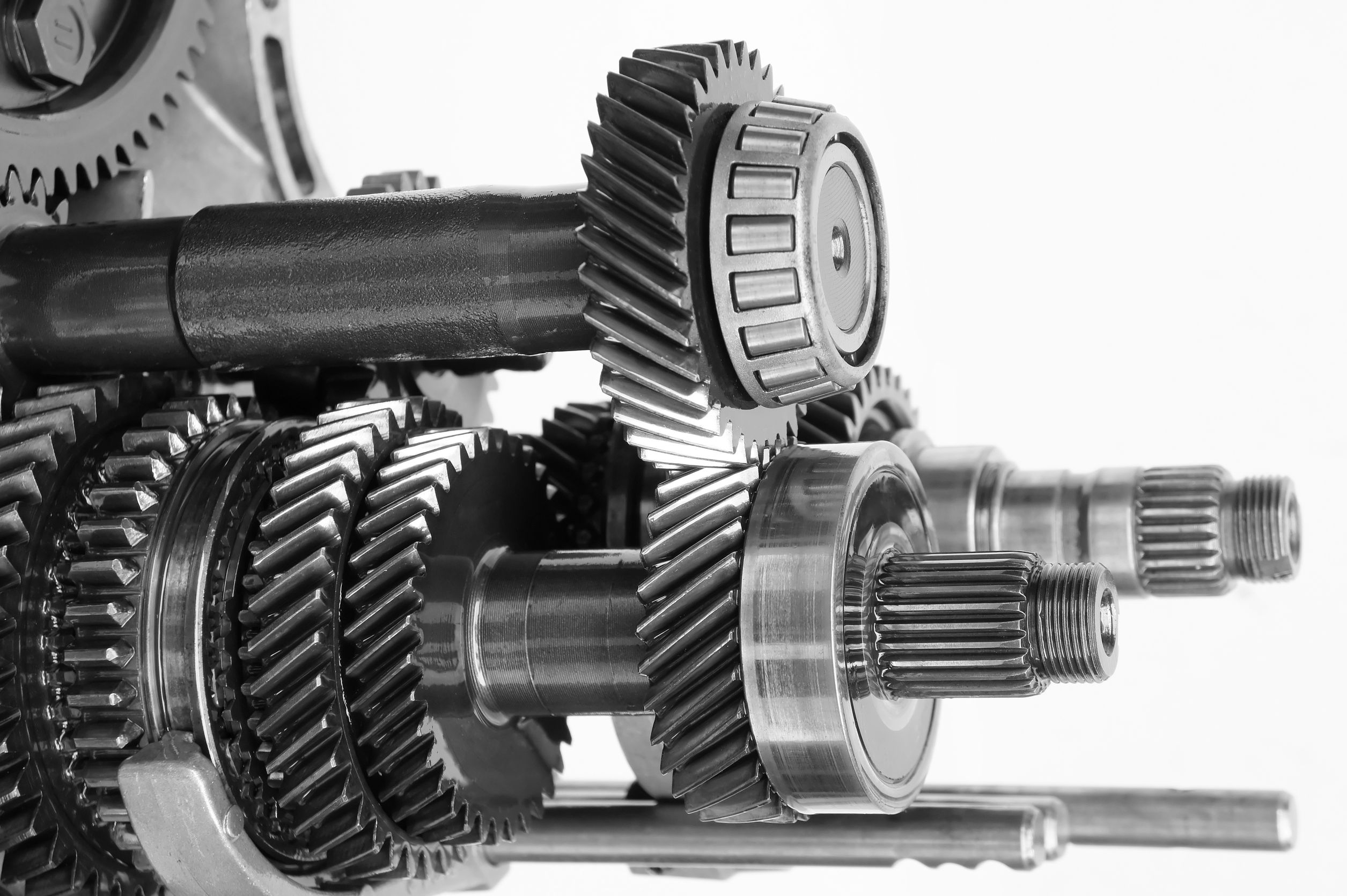
Ask the average motorist and it’s likely they will know how and where to check their oil and coolant level but ask about transmission fluid and they might not be so savvy.

src: automobilespoint.com
It’s not always immediately obvious how to check the health of your transmission fluid and indeed in recent years manufacturers have made it increasingly difficult for the end user to interact with the transmission at all unless you have the correct tools to get at the undercarriage of the vehicle. Should this be the case then we highly recommend that you allow your professional mechanic to perform any maintenance checks on your transmission fluid as you could risk voiding your warranty. If, however, you have a vehicle equipped with a dipstick under the bonnet for checking the transmission fluid then here are some things to look out for which may signal it’s time to book in for a fluid change or top-up.


More after the jump...

PRODUCT FEATURE: Running In Oil

In response to popular demand, Granville is pleased to announce a new edition to the growing lubricant range.


Running In Oil is a low detergent, non-friction modified oil specially formulated to promote the bedding in of newly machined mated surfaces in re-built engines. High quality additives overcome bore glazing allowing accurate seating of the piston rings and valves. Can be used for up to 1000 miles of normal road use.

More after the jump...

PRODUCT FEATURE: Hypalube PD 5W/40

The folks at Granville have been busy again and are pleased to announce the release of the latest addition to their growing Hypalube range. Hypalube PD 5W/40 is formulated to meet the requirements of VW 505.01 for use in Pumpe Duse engines.


More after the jump...

Antifreeze and Coolant 101

Antifreeze and coolant. They cause quite a bit of confusion for motorists who aren't in the know. In fact it's one of the most frequently asked topics put to the Tech Team here at Granville HQ. And it's no wonder that it causes folk to scratch their heads over it because they are essentially the same product - just with different functions.

Call it coolant and you're referring to, you guessed it, the stuff that keeps your engine cool and operating at the correct temperature. When you think about it, your engine is basically powered by a series of controlled explosion so it's bound to get hot under that hood!
The job of Antifreeze is to keep things just right - src: funnyjunk.com
Now, technically speaking, coolant can be just plain water but this alone wouldn't protect against extremes of temperature or corrosion. Add Antifreeze to this water and you solve this issue, protecting against corrosion, aiding heat transfer, preventing scale build up, and raising the boiling point and lowering the freezing point of the liquid.

Generally speaking the ratio to make coolant is 50:50 Antifreeze to water but you must check your User Manual for the specific dilution for your vehicle.

More after the jump.

Introducing the Hypalube C Collection

Introducing the new Hypalube C Range from Granville. Specially formulated low and mid SAPS (sulphated ash, phosphorus and sulphur) technology oils meeting the requirements of ACEA C1, C2, C3 & C4. Formulated from premium quality base oils and the very latest in additive technology, these lubricants meet a wide range of modern engines that have exhaust after-treatment devices fitted.

What your oil is trying to tell you about the health of your engine

Frothy Oil
A good quality engine oil should not foam up because of the anti-foaming additives that are mixed with the product. There could be several reasons why your oil has foamed up. If your oil is bubbly or foamy but not discoloured then you may have overfilled the sump. The oil is essentially being churned and aerated by the crank and can cause a lot of damage very quickly.
src: forums.swedespeed.com

If the foam is lighter in colour this could be down to water or coolant contamination. If this is the case, then there is a chance you may have a leaking gasket head or a crack in the engine block.

Solution: If you think you may have overfilled with engine oil make sure you drain it off and refill the tank. If you see evidence of light coloured foam, see a professional mechanic as soon as you can.

More after the jump...

Grease is the word

Grease is the word in my technical feature this week!


src: giphy.com

Umm... No. Not the cheesy musical from the '70s but the stuff you use to lubricate all things 'automatic, systemati-' *ehem* I mean automotive, mechanical and industrial.