Showing posts with label technical. Show all posts

Is there such a thing as normal oil consumption?

Firstly it should be mentioned is that if you find your oil levels are depleting then it is either down to oil consumption or an oil leak.


Oil consumption is the 'burning off' of oil in the engine and is common in older vehicles or ones which have been subject to high mileage. Commonly this is caused by worn valve stems and seals, and worn piston rings which allows the oil to slip into the combustion chamber where it burns off. If this is happening you may see wisps of blue-ish coloured smoke coming from the exhaust. Oil consumption is almost certain to happen as the vehicle ages. You can maybe even expect to see some consumption occur if your engine requires an oil with particularly low viscosity, 0W/20 for example.

More after the jump...

Jargon Buster: Translating You Gear Oil Bottle

Gear oil isn't necessarily something that the everyday motorist is in the know about and when you take a bottle of it off the shelf you are confronted with jargon which, unless you are up on the terms, will probably mean very little to you. So let's break it down term by term and make some sense of it all.

Gear Oil Type
One of the first things you should notice on a bottle of Granville Gear Oil is this piece of information explaining which type of gear train the oil is suitable for:


More after the jump...

5 Things Most People Forget When Spring Cleaning the Car

Spring has sprung!

src: giphy.com
Sorry... I couldn't resist.

So the weather is finally starting to look up and if you haven’t thought about it already, then it’s time to start prepping your vehicle for the warmer months ahead. Your car took a beating over winter. Freezing temperatures, mud, salt and bad weather all take their toll on your paintwork and interior.

src: imgur.com
It’s standard practice to reach for the chammy, bucket and vacuum around this time of the year to bring some life back into your vehicle, but there are some key steps to the vehicle spring clean that most people neglect that are really easy to address. Are you guilty of these top 5 Spring Cleaning sins?

More after the jump...

What's the Difference Between Gear Oil And Transmission Fluid?

The most obvious answer to this question is that gear oil is generally intended for use in manual gear boxes and transmission fluid is for automatic transmissions. However, as is always the case with automotive lubricants, there are exceptions to this rule. In order to fully understand what the differences are between the fluids, we first have to take a look at the key differences between gearboxes and transmissions.

Both a gearbox and a transmission essentially do the same job in that they allow change of gears to control the speed, force and direction of travel, but they achieve this in different ways and so require different support fluids in order to operate properly.

Manual Gearbox

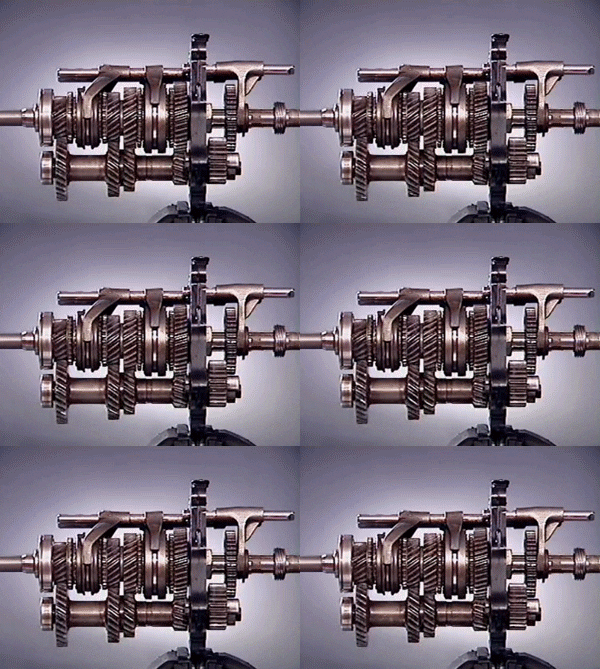
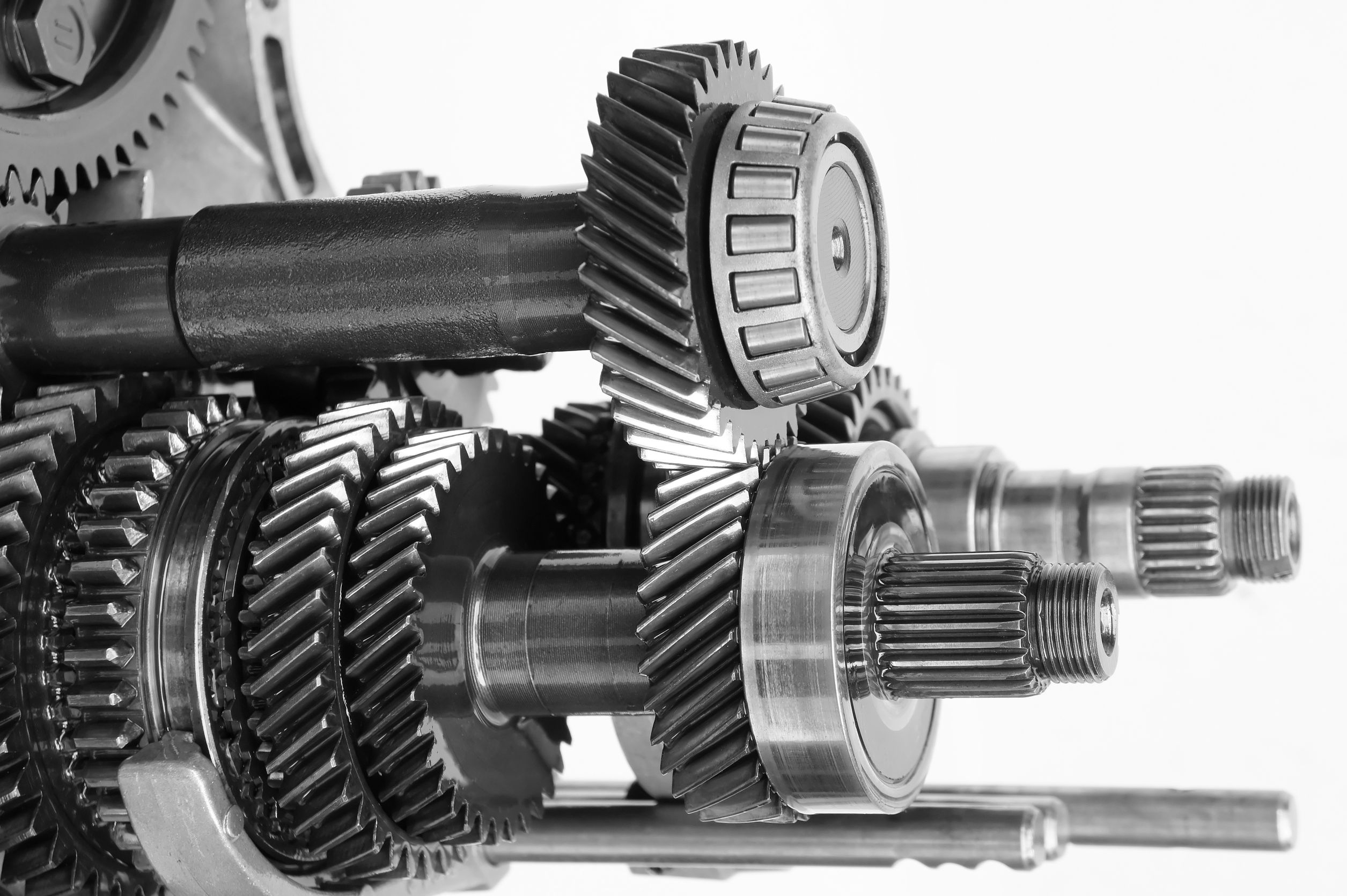
Manual gears operate based on a system of two shafts with gears which mesh together after user input via the clutch and the gear stick.  This means that the manual gearbox creates a lot of heat, a lot of force and a lot of friction as the two moving objects come together...


More after the jump...

Motor Oil 101: the importance of making the right choice

Oil is the bread and butter of what we do at Granville. We love the stuff and we love making sure that when you pick up your oil off the shelf you know you are making the right choice for your vehicle. And you know we go on and on about why its important for you to make sure you have the right oil for the job but please, humor me once more as I take you through everything you need to know about engine oil.


Why do you need oil in your engine?

Essentially, oil is in your engine to do three things:

     1. It lubricates the moving parts of your engine


When you consider the speed and frequency that the metal parts of your engine move at, it's easy to see why they might need a little help to keep them going. Engine oil coats these components even at high temperatures ensuring smooth movement whilst protecting them from friction damage.

More after the jump...

Is commercial screenwash better than water and home-brewed alternatives?

The short answer? Yes. Absolutely. It can be tempting to settle for plain water in your windscreen washer system or to attempt to make your own with household detergent or alcohol but whilst you will make cost savings in the short term and its effects are kinder to the environment, the risks involved to your vehicle in the long term just aren't worth the short term savings. Here are the top reasons you should be sticking the screenwash in your system:

src: imgur.com

Cleaning Power

When it comes to getting rid of traffic film, grease and insect residue, screenwash has plain water beaten hands down. The alcohol and detergent in screenwash cuts through dirt quickly and effectively, getting rid of visibility obstructions which plain water could end up smearing across the glass. Home-brews with alcohol or household detergent, washing up liquid for example, would help to remove the dirt but depending on the substance used, it could leave residue behind on the glass or cause damage to rubber and paintwork.

More after the jump...

How healthy is your transmission fluid?

Ask the average motorist and it’s likely they will know how and where to check their oil and coolant level but ask about transmission fluid and they might not be so savvy.

src: automobilespoint.com
It’s not always immediately obvious how to check the health of your transmission fluid and indeed in recent years manufacturers have made it increasingly difficult for the end user to interact with the transmission at all unless you have the correct tools to get at the undercarriage of the vehicle. Should this be the case then we highly recommend that you allow your professional mechanic to perform any maintenance checks on your transmission fluid as you could risk voiding your warranty. If, however, you have a vehicle equipped with a dipstick under the bonnet for checking the transmission fluid then here are some things to look out for which may signal it’s time to book in for a fluid change or top-up.


More after the jump...

PRODUCT FEATURE: Running In Oil

In response to popular demand, Granville is pleased to announce a new edition to the growing lubricant range.


Running In Oil is a low detergent, non-friction modified oil specially formulated to promote the bedding in of newly machined mated surfaces in re-built engines. High quality additives overcome bore glazing allowing accurate seating of the piston rings and valves. Can be used for up to 1000 miles of normal road use.

More after the jump...

10 ways cold weather can affect your car and how to deal with them

The cold weather is harsh on your vehicle and, unfortunately, sticking on a hat, scarf and coat isn’t an option for it so it pays to be extra careful as the temperature drops because climate related trouble can strike quicker than you’d expect. There are plenty of ways that the cold weather can affect your vehicle so keep a sharp look out for any of the following and don’t get left out in the cold.

src: ajcollisionrepair.com


More after the jump...

PRODUCT FEATURE: Hypalube PD 5W/40

The folks at Granville have been busy again and are pleased to announce the release of the latest addition to their growing Hypalube range. Hypalube PD 5W/40 is formulated to meet the requirements of VW 505.01 for use in Pumpe Duse engines.


More after the jump...

8 Autumn Car Care Fixes You Need To Know

October's marching on. Unbelievable isn't it? Suddenly the mornings are characterized by either a commute through thick fog or dazzling sun on wet roads, the leaves seem to have leapt off the trees and are single-mindedly set on blanketing the bonnets and roofs of our motors, and is it just me that's had to have the heating on first thing when starting the car in the morning?

src: giphy.com

As with all the changes in the seasons, they affect our cars in different ways and some steps need to be taken to prepare, protect and remedy against the new conditions you will be faced with as we plod on towards winter. So here's my top tips for making sure you and your motor are Autumn ready.

More after the Jump...

8 easy car wash tips everyone needs to know

Cleaning your car to perfection is a fine art, but you don't need to be a professional detailer to achieve that showroom shine. Here's some top tips which will help you improve your car wash routine with minimum effort and maximum results.

1. Start with a clean bucket


It may seem like common sense but if you store your car wash bucket in the garage or the garden shed chances are that it's going to have collected a layer of dust and dirt by the time you dig it out again. Give your bucket a good rinse before you get started and you won't have lost before you've started.

More after the jump.

How to look after your genuine chamois leather

Chammy or Microfibre? It's a question which splits the room when it comes to drying off your vehicle. Many people reach for the microfibre cloth simply because Chamois Leathers seem like too much hassle and anyway they fall apart dead quickly right? Well, you might be surprised to know that if you look after your Chammy, you could get plenty of service out of it. In fact, plenty of people swear by the Chamois' durability and ability to absorb around six times its weight in water.
Think your Chamois is doomed to this?
The best way to get the most out of your genuine chamois leather is to take good care of it. Treat it right and you will get the results! Here's my quick guide on how to look after your chamois leather so that you can get the best value from it.

More after the jump...

Rust Repair Tutorial

This week sees the launch of Granville's new Rust Repair Liquid. Now this stuff is the bee's knees, what can I say? It's easy to use, takes only 15mins to work its magic and also comes in a gel formulation for easy application on hard to reach and horizontal surfaces.


So let's take a look at how to use Granville Rust Repair Liquid and Gel...

More after the jump.

Antifreeze and Coolant 101

Antifreeze and coolant. They cause quite a bit of confusion for motorists who aren't in the know. In fact it's one of the most frequently asked topics put to the Tech Team here at Granville HQ. And it's no wonder that it causes folk to scratch their heads over it because they are essentially the same product - just with different functions.

Call it coolant and you're referring to, you guessed it, the stuff that keeps your engine cool and operating at the correct temperature. When you think about it, your engine is basically powered by a series of controlled explosion so it's bound to get hot under that hood!
The job of Antifreeze is to keep things just right - src: funnyjunk.com
Now, technically speaking, coolant can be just plain water but this alone wouldn't protect against extremes of temperature or corrosion. Add Antifreeze to this water and you solve this issue, protecting against corrosion, aiding heat transfer, preventing scale build up, and raising the boiling point and lowering the freezing point of the liquid.

Generally speaking the ratio to make coolant is 50:50 Antifreeze to water but you must check your User Manual for the specific dilution for your vehicle.

More after the jump.

What your oil is trying to tell you about the health of your engine

Frothy Oil
A good quality engine oil should not foam up because of the anti-foaming additives that are mixed with the product. There could be several reasons why your oil has foamed up. If your oil is bubbly or foamy but not discoloured then you may have overfilled the sump. The oil is essentially being churned and aerated by the crank and can cause a lot of damage very quickly.
src: forums.swedespeed.com

If the foam is lighter in colour this could be down to water or coolant contamination. If this is the case, then there is a chance you may have a leaking gasket head or a crack in the engine block.

Solution: If you think you may have overfilled with engine oil make sure you drain it off and refill the tank. If you see evidence of light coloured foam, see a professional mechanic as soon as you can.

More after the jump...

Jargon Buster: Translating your Oil Bottle

Grab your average bottle of motor oil off the shelf in your local retailer and you're confronted with a whole lot of jargon, acronyms and random numbers which will probably mean very little to you unless you're in the know. And let's face it, your owner's manual isn't much more help either. Sure it might give you a list of numbers and letters that translate into an oil spec that's suitable for your vehicle, but wouldn't you like to know what it all really means?
src: giphy.com
Do you know your 0w/20 from your 5w/40? What's the real difference between mineral and synthetic oil? ACEA? API? Well here's my jargon busting guide to translating your oil bottle.

Grease is the word

Grease is the word in my technical feature this week!


src: giphy.com

Umm... No. Not the cheesy musical from the '70s but the stuff you use to lubricate all things 'automatic, systemati-' *ehem* I mean automotive, mechanical and industrial.